
PROFESSIONAL DIPLOMA IN COMMUNICATION DESIGN
Anyone can make it look good. This programme teaches you to make it mean something. Craft, conceptual thinking, and art direction skills that define great communication design.
THIS COURSE IS FOR YOU, IF...
YOU'RE A WORKING PROFESSIONAL IN DESIGN, MARKETING, OR COMMUNICATIONS
and you want to deepen your craft and move into art direction or creative leadership.
YOU HOLD A DIPLOMA OR DEGREE IN DESIGN OR A RELATED FIELD
and you are ready to go beyond execution into conceptual and strategic creative thinking.
YOU ARE A GRAPHIC DESIGNER OR VISUAL COMMUNICATOR
who wants to add motion, art direction, and advanced conceptual skills to your practice.


WHERE YOU'RE HEADED
This diploma is a launchpad into the engine room of the creative industries. Our graduates are equipped to step into roles such as:
-
Art Director: Direct the visual and conceptual decisions behind creative projects.
-
Senior Designer: Lead design on complex identity, editorial, or motion briefs.
- Motion Designer: Create moving-image content for brand, broadcast, and digital platforms.
- Brand Consultant: Advise organisations on visual identity, positioning, and design strategy.
WHAT YOU’LL WALK AWAY WITH
01
Direct the visual and conceptual decisions behind a project, from brand identity through to campaign execution.
02
Design across static and moving image, combining print, digital, and motion graphics in a resolved portfolio.
03
Use type, image, layout, and motion with intention, understanding how every visual decision shapes meaning.
04
Present and defend creative work to a professional standard, with a portfolio built around a self-initiated project.
MODULES
Modules: 17
Full time duration: 19 months (Mon-Fri)
Part time: 16 months (Twice a week)
VISUAL
COMMUNICATION

This module introduces the foundations of visual communication, including design elements, principles, composition, and media. Through practical work and critical discussion, students explore how visual choices convey meaning, solve communication problems, and shape audience understanding. The module builds a broad foundation for later work in branding, editorial, motion, and communication design.
DIGITAL STUDIOS 1: ADOBE ILLUSTRATOR

This module introduces Adobe Illustrator as a tool for creating scalable graphics for communication design. Students learn essential skills in drawing, shape-building, colour, typography, and basic 3D features, and apply them to branding, layout, and visual asset creation. By the end of the module, students will be able to develop polished vector-based work for a professional portfolio.
DIGITAL STUDIOS II: ADOBE PHOTOSHOP

This module develops practical Adobe Photoshop skills for digital image-making and visual refinement. Students learn image editing, retouching, compositing, and visual enhancement techniques, and apply them to communication design outcomes across print and digital media. The module strengthens students’ ability to create polished image-based work with professional control and consistency.
TYPOGRAPHY AND COMM. DESIGN
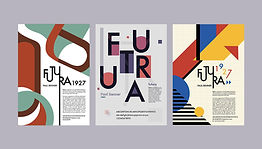
This module introduces typography as a core visual language in communication design. Students study the history, anatomy, classification, and principles of type, and explore how typographic choices shape readability, tone, hierarchy, and visual meaning. The module builds a strong foundation for using typography purposefully across a wide range of design contexts.
CORPORATE IDENTITY AND DESIGN

This module introduces the key elements of corporate identity, including brand personality, symbols, logos, colour, semiotics, and design systems. Students explore how these elements work together to express brand values, build recognition, and maintain consistency across touchpoints. The module develops an understanding of how visual identity supports effective communication in professional design practice.
PACKAGING AND PRINT TECHNOLOGY

This module introduces the principles of packaging design from concept development to three-dimensional form. Students learn how structure, materials, printing processes, sustainability, and visual design work together to shape packaging outcomes. The module develops practical skills in creating packaging that is both visually effective and production-aware.
EDITORIAL
DESIGN

This module introduces editorial design and digital publishing as forms of structured visual communication. Students learn how to organise content, work with grids, typography, imagery, and layout systems, and create publications with a clear tone and identity. The module develops practical skills in designing audience-focused editorial work for print and digital formats.
USER INTERFACE DESIGN I

This module introduces the fundamentals of user interface design for digital products and online experiences. Students learn how to structure layouts, work with interface components, and apply colour, typography, and hierarchy to create clear and functional screens. The module builds practical skills in designing digital interfaces that are visually coherent and user-focused.
DESIGN
PORTFOLIO

This module prepares students to create a professional portfolio that communicates their strengths, design thinking, and personal direction as a designer. Through project selection, case study writing, layout development, critique, and refinement, students learn how to present their work clearly and convincingly. The module supports career readiness for employment, freelance practice, or further progression in design.
GENERATIVE AI CONTENT CREATION

This module introduces the use of generative AI tools for content creation in advertising and design. Students learn prompt-writing, image and text generation, asset refinement, and methods for maintaining consistency across outputs for different platforms. The module builds technical fluency and creative judgment through the development of a cohesive AI-assisted campaign.
CREATIVE AND CRITICAL THINKING

This module develops creative and critical thinking skills for communication design practice. Students learn how to frame problems, question assumptions, generate ideas, and evaluate possible solutions using structured methods and practical exercises. The module strengthens students' ability to respond to briefs with clarity, originality, and purpose.
SUSTAINABLE DESIGN THINKING

This module introduces human-centred design thinking with sustainability at its core. Students explore eco-conscious innovation, low-impact problem-solving, prototyping, and user testing, and apply these approaches to develop more responsible design responses. The module builds awareness of how environmental and social considerations can shape contemporary communication design practice.
ADVANCED TYPOGRAPHY

This module develops advanced typographic skills for communication design across print and digital media. Students explore how type can create clarity, hierarchy, expression, and emotional impact, and learn to build compositions that strengthen message and visual identity. The module deepens students' ability to use typography as both a functional and expressive design tool.
DIGITAL STUDIOS III: AFTER EFFECTS

This module introduces Adobe After Effects as a tool for motion graphics, animation, and compositing. Students learn how to combine text, graphics, timing, transitions, and effects to create moving-image outcomes that extend communication beyond static design. The module builds confidence in producing motion-based work for contemporary visual communication.
VIDEO EDITING ESSENTIALS

This hands-on module introduces the production and editing of short-form video content for advertising and digital platforms. Students move from scripting and storyboarding to editing short product videos, working with sound, colour, graphics, captions, and social-ready exports. The module develops practical skills in creating polished video content for campaign and brand communication.
ART
DIRECTION
.jpg)
This module introduces the role of art direction in shaping the visual and conceptual direction of a project. Students explore how concept, aesthetics, message clarity, and strategic thinking work together to guide creative outcomes across different media. The module develops skills in directing, presenting, and aligning design work with broader communication goals.
ADVANCED COMM. DESIGN PROJECT

This capstone module brings together the creative, technical, and conceptual skills developed across the diploma. Students undertake a self-initiated communication design project, from research and concept development to execution and presentation, demonstrating their ability to define a design problem and respond with a resolved outcome. The module encourages independence, synthesis, and the development of a stronger personal design direction.
WHO YOU WILL LEARN FROM
INDUSTRY PRACTITIONERS,
NOT JUST ACADEMICS

KENJI CHOO
Academic Director
MAD School

ROBERT GAXIOLA
Head of Creative (SEA & India)
Ampverse

JAEL CHNG
Senior Designer
Dentsu Creative

JEREMIAH SU
Founder
The Beyond
WHO YOU WILL LEARN FROM
TESTIMONIALS FROM
OUR PAST STUDENTS
"I came in wanting to design. I left understanding how design communicates. That distinction is what makes a good designer great."
Hakana Rathi
Creative Brand Director
"The combination of typography and motion in one programme meant I graduated with a genuinely broad portfolio. That versatility opened doors."
Jiayi Ka Yui Li
Designer • WATG
"MAD taught me how to think like a creative director, not just a designer. The depth of the curriculum was unlike anything I expected."
Andy Xu
Creative Director
"The programme pushed me to think beyond aesthetics. Every project had a communication problem to solve first. That shift in how I approach design is what got me to dyson."
Rachel Chong
Senior Designer, ROA • Dyson