
PROFESSIONAL DIPLOMA IN ADVERTISING & DESIGN
Stop executing other people's ideas. MAD's flagship programme gives you the design craft, advertising strategy, and AI-powered workflows to lead with your own.
THIS COURSE IS FOR YOU, IF...
YOU'RE A WORKING PROFESSIONAL IN MARKETING, COMMUNICATIONS OR A CREATIVE FIELD
and you want the design and strategic skills to lead campaigns, not just brief them.
YOU HOLD A DIPLOMA OR DEGREE IN ANY DISCIPLINE
and you're ready to invest in a qualification that moves your career forward meaningfully.
YOUR A DESIGNER OR ART DIRECTOR
who wants to add advertising strategy, brand thinking, and digital fluency to your skillset.


WHERE YOU'RE HEADED
This diploma is a launchpad into the engine room of the creative industries. Our graduates are equipped to step into roles such as:
-
UI/UX Designer: Crafting seamless digital journeys.
-
Art Director: Leading the visual vision for brands and campaigns.
-
Design Strategist: Solving business problems through visual thinking.
-
Creative Director: Overseeing the big picture of creative output.
-
Editorial & Brand Designer: Shaping the voice of publications and corporate identities.
WHAT YOU’LL WALK AWAY WITH
01
Build and present a full brand identity covering logo, colour, type, tone, and real-world applications.
02
Plan and pitch an omnichannel advertising campaign across digital and physical touchpoints.
03
Create short-form video content and social-ready assets using Adobe Premiere Pro and AI tools.
04
Design interfaces in Figma and apply UI principles to real-world digital products.
MODULES
Modules: 17
Full time duration: 19 months (Mon-Fri)
Part time: 16 months (Twice a week)
VISUAL
COMMUNICATION

This module introduces the foundations of visual communication, including design elements, principles, composition, and media. Through practical work and critical discussion, students explore how visual choices convey meaning, solve communication problems, and shape audience understanding. The module builds a broad foundation for later work in advertising, branding, and design.
DIGITAL STUDIOS 1: ADOBE ILLUSTRATOR

This module introduces Adobe Illustrator as a tool for creating scalable graphics for advertising and design. Students learn essential skills in drawing, shape-building, colour, typography, and basic 3D features, and apply them to produce brand, campaign, and publication assets. By the end of the module, students will be able to develop polished vector-based work for a professional portfolio.
DIGITAL STUDIOS II: ADOBE PHOTOSHOP

This module develops practical Adobe Photoshop skills for image editing, retouching, compositing, and visual enhancement. Students learn how to prepare and refine images for advertising, social media, and branded communication across different media outputs. The module strengthens students’ ability to create polished visuals that support contemporary creative practice.
TYPOGRAPHY AND COMM. DESIGN
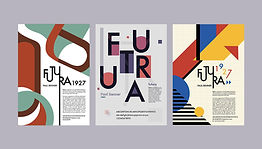
This module introduces typography as a core visual language in communication design. Students explore the history, anatomy, structure, and application of type, and learn how typographic choices shape readability, tone, hierarchy, and visual meaning. The module builds a strong foundation for using typography purposefully across print and digital contexts.
CORPORATE IDENTITY AND DESIGN

This module introduces the key elements of corporate identity, including brand personality, storytelling, symbols, logos, colour, semiotics, and design systems. Students explore how these elements work together to build a clear and consistent identity that shapes perception and supports communication across touchpoints. The module develops an understanding of how visual identity strengthens branding in practice.
PACKAGING AND PRINT TECHNOLOGY

This module introduces the principles of packaging design, from concept development to three-dimensional form. Students learn how structure, materials, printing processes, sustainability, and visual design work together to shape packaging outcomes. The module develops practical skills in creating packaging that is both visually effective and production-aware.
EDITORIAL
DESIGN

This module introduces editorial design and digital publishing as forms of structured visual communication. Students learn how to organise content, work with grids, typography, imagery, and layout systems, and design publications with a clear tone and identity. The module develops practical skills in producing audience-focused editorial work for print and digital formats.
USER INTERFACE DESIGN I

This module introduces the fundamentals of user interface design for digital products and online experiences. Students learn how to structure layouts, use interface components, and apply colour, typography, and hierarchy to create clear and functional screens. The module builds practical skills in designing user-focused interfaces that support effective interaction.
SOCIAL MEDIA STRATEGY

This module develops strategic thinking for social media communication in contemporary brand contexts. Students learn how to analyse audiences, plan content across platforms, combine organic and paid approaches, and evaluate performance using dashboards and metrics. The module prepares students to develop social media plans that are both insight-led and presentation-ready.
GENERATIVE AI CONTENT CREATION

This module introduces the use of generative AI tools for content creation in advertising and design. Students learn prompt-writing, image and text generation, asset refinement, and methods for maintaining consistency across outputs for different platforms. The module builds technical fluency and creative judgment through the development of a cohesive AI-assisted campaign.
CREATIVE AND CRITICAL THINKING

This module develops creative and critical thinking skills for advertising and design practice. Students learn how to frame problems, question assumptions, generate ideas, and evaluate possible solutions using structured methods and practical exercises. The module strengthens students’ ability to respond to briefs with clarity, originality, and purpose.
COPYWRITING

This module introduces copywriting for contemporary advertising and digital communication. Students learn how to write clear, persuasive messages for different audiences, platforms, and campaign goals, while shaping tone, value propositions, and calls to action. The module develops writing skills that support brand messaging and effective communication across media.
O2O BRAND
COMM. STRATEGY

This module explores brand communication across online and offline touchpoints. Students learn how to define brand identity, shape key messages, develop brand stories, and plan communication that connects digital platforms with real-world audience experience. The module builds strategic understanding of how branding creates visibility, consistency, and impact across channels.
DIGITAL
MARKETING

This module introduces the fundamentals of digital marketing across key online channels. Students learn how search, social media, content, email, analytics, and paid campaigns work together to support visibility, engagement, and performance. The module builds practical understanding of how digital marketing activities are planned, executed, and evaluated in contemporary business contexts.
VIDEO EDITING ESSENTIALS

This hands-on module introduces the production and editing of short-form video content for advertising and digital platforms. Students move from scripting and storyboarding to editing short product videos, working with sound, colour, graphics, captions, and social-ready exports. The module develops practical skills in creating polished video content for campaign and brand communication.
M.A.D INTEGRATED CAMPAIGN PROJECT

This capstone module brings together the creative, strategic, and technical skills developed across the diploma. Students independently conceptualise, develop, and execute an integrated advertising and design campaign that responds to a realistic brief across multiple touchpoints. The module prepares students to present and defend both strategic thinking and creative decisions in a professional context.
FUNDAMENTALS OF PHOTOGRAPHY

This module introduces the fundamentals of photography, with a focus on camera control, composition, and image-making for creative and commercial use. Through theory and hands-on practice, students learn how to work with exposure, focus, framing, and visual observation to produce clear and purposeful images. The module builds a strong foundation for photographic work within advertising and design contexts.
NATURAL AND STUDIO LIGHTING

This module explores how natural and studio lighting shape photographic outcomes. Students learn how light affects mood, texture, depth, colour, and emphasis, and how different lighting conditions can be used to achieve intended visual effects. The module develops practical skills in controlling light for commercial, editorial, and brand-focused image-making.
WHO YOU WILL LEARN FROM
INDUSTRY PRACTITIONERS,
NOT JUST ACADEMICS

KENJI CHOO
Academic Director
MAD School

ROBERT GAXIOLA
Head of Creative (SEA & India)
Ampverse

ANGELA LIM
Marketing Director
Graphen AI

JEAN TAN
Founder
AAGO Consulting
WHO YOU WILL LEARN FROM
TESTIMONIALS FROM
OUR PAST STUDENTS
"I especially recommend MAD for those who are keen to enter the design and advertising industries. The practical approach made all the difference."
Joanna Ortega
Senior Copywriter
"After every module I felt like a whole new person, ready to take the stride forward. The work we produced was industry-standard from day one."
Xiner Yeo
Art Director
"After every module I felt like a whole new person, ready to take the stride forward. The work we produced was industry-standard from day one."
Andy Xu
Creative Director
"After every module I felt like a whole new person, ready to take the stride forward. The work we produced was industry-standard from day one."
Sherwin Teo
Creative